Importance of Professional Structural Steel Detailing in Commercial and Industrial Buildings
27/01/2026

Steel buildings may look strong once they are finished, but that strength comes from careful planning behind the scenes. In commercial and industrial projects, every beam, bolt, and connection must be accurate. This is where professional structural steel detailing becomes important. It ensures that steel parts are designed clearly and correctly before fabrication begins, helping the building come together safely, smoothly, and without costly mistakes.
Where Design Meets Reality on Site
Steel detailing is the direct link between engineering design and actual construction. While engineering will create a design for a particular structure, it is the detailing professional who will take that design to create usable shop drawings for the fabricator and field team to construct the structure.
In commercial and industrial buildings, even small detailing errors can lead to:
- Fabrication delays
- Material wastage
- Cost overruns
- On-site clashes and rework
Professional detailing ensures that beams, columns, plates, bolts, and connections align perfectly long before steel reaches the site.
Accuracy That Drives Speed and Cost Control
Time is money in large-scale construction. Professional steel detailing minimizes guesswork during fabrication and erection by providing precise dimensions, connection details, and material specifications.
With accurate detailing:
- More predictable and faster fabrication
- Steel components fit correctly on site
- Installation crews work efficiently without constant adjustments
The above-mentioned accuracy reduces project duration while keeping budgets maintained; this is critical for industrial and commercial projects.
Enhancing Structural Safety and Compliance
Commercial and industrial buildings must meet a high level of safety requirements and comply with building codes. Professional steel detailers understand load paths, tolerances, and how these relate to the connections. Therefore, all things considered, the detailing of your project will be an accurate representation of how your project will support the structure.
Well-executed detailing:
- Improves load transfer between structural members
- Eliminate weak connections and misalignment
- Provide the required safety and code compliance
It is important to recognize that the above is essential for all buildings; however, the most important thing for a building with heavy machinery, overhead cranes, and a dynamic loading condition is that a properly executed detail will result in your building being safe for the end users.
Supporting Modern Construction Technologies
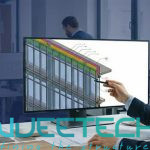
Professional steel detailing has evolved beyond the standard 2D drafting that we traditionally used. With newer 3D modelling and BIM processes, detailing teams are able to review the complete structure of the steel framework before starting fabrication. This allows detailing teams to catch and correct any potential conflicts with other trades, such as architectural and mechanical, electrical, and plumbing systems, during the design phase and before fabrication begins.
By integrating steel detailing into the broader BIM environment:
- Coordination improves across disciplines
- Errors are resolved digitally instead of on-site
- Higher quality of overall construction
For large commercial and industrial buildings, this coordination is no longer optional; it’s essential.
Reducing Rework and Material Waste
One of the highest hidden costs in construction is rework. Poor detailing often results in steel members being modified or replaced on-site, wasting both time and materials.
With Professional Detailing:
- Optimized material usage
- Fewer Fabrication Errors
- Cleaner and more sustainable construction processes
Long-Term Performance and Ease of Maintenance
Steel detailing not only affects construction, but it also affects the life cycle of a building. Steel that is accurately detailed will assist in load distribution evenly, reduce stress points on both the steel and building frames, and provide an easy opportunity for subsequent alterations and modifications.
For industrial facilities that will evolve, accurate steel detailing will minimize time, effort, and cost in updating and upgrading their facilities.
Steel buildings may look strong and complete once construction is finished, but their real strength starts much earlier during the detailing stage. In commercial and industrial projects, even a small mistake in steel connections can lead to delays, extra costs, or safety risks. This is why professional structural steel detailing plays a key role in successful construction.
At Enveetech, steel detailing is handled with accuracy and clarity using advanced tools like Tekla for 3D steel modelling and AutoCAD for 2D drafting. Tekla helps create detailed 3D models where every beam, plate, bolt, and connection is clearly defined. AutoCAD supports this process by providing precise 2D drawings that are easy to follow on-site.
Together, these kinds of advanced tools ensure that steel structures are fabricated correctly, assembled smoothly, and meet project standards without confusion or rework.