Top Benefits of BIM Services for Architects and Engineers
25/09/2025
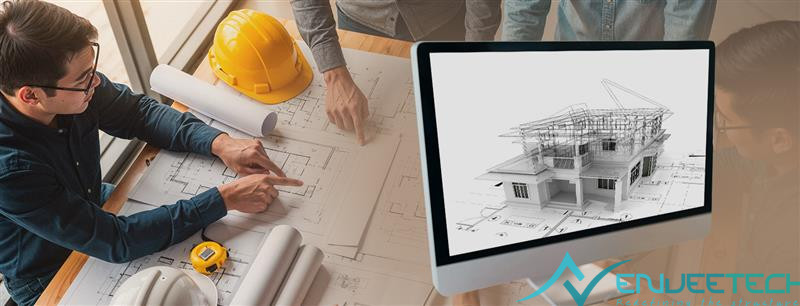
Imagine that you are engaged in a large construction project where the architect, structural engineer, and MEP team are all producing their own respective drawings while constantly updating the details. You begin to see and assess signs of miscommunication as change orders lead to rising costs and changes eventually evolve into errors. This is the type of confusion Building Information Modeling (BIM) eliminates. BIM unites teams from the architects to the engineers in a common, intelligent 3D model that empowers architects and engineers to work collaboratively with their project teams, manage risk, and deliver a successful outcome.
Enhanced Collaboration and Coordination
BIM is the single source of truth for architects, engineers, and contractors, uniting all disciplines within one integrated model. This is particularly compelling for larger or more complex projects where multiple teams need to work seamlessly together.
Key Benefits:
Data Hub: All stakeholders are working from the same model, minimizing data silos and confusion.
Real-Time Collaboration: Changes made by one team are visible to all others, eliminating miscommunication.
Greater Workflow Efficiency: Quicker decision-making and fewer bottlenecks throughout the project.
Example:
An engineering team updates HVAC layouts, and the architect sees the impact immediately without waiting for revised drawings.
Data-Driven Decision Making
BIM models are loaded with important data beyond geometry and provide architects and engineers with valuable insight for better planning.
Key Benefits:
Material Intelligence: Provides details such as fire resistance, insulation values, and sustainability ratings.
Budget Planning: Use embedded costs data to re-evaluate material choices to adhere to a budget.
Performance Forecasting: Evaluating the system’s ability to perform under real-life conditions.
Example:
Testing energy efficiency simulations before investing in an HVAC system.
Early Detection of Errors and Clashes
BIM’s biggest strength is catching and resolving design conflicts before construction happens.
Key Benefits:
Automated Clash Detection: No more accidental pipes crossing beams or electrical systems overlapping HVAC ducts.
Lower Costs of Rework: Fixing a clash digitally is significantly less costly than fixing it in the field.
Reduced Delays: Construction crews can work with confidence knowing designs have been thoroughly vetted.
Example:
Detecting a plumbing line conflict with steel reinforcement before pouring concrete saves thousands in potential rework costs.
Accurate Visualization and Design
Instead of conventional flat 2D drawings, BIM provides 3D models with interactive walkthroughs before the building is built. This allows for better decisions to be made at every stage of design.
Key Benefits:
Realistic Models: Clients are able to visualize a completed project, gaining trust and satisfaction with the project outcomes
Detail Design Understanding: Identify and edit small details like lighting or use of space early on.
Better Stakeholder Communication: Never had an easier time getting conceptual alignment, with everyone able to view and understand the concept.
Example:
A client unsure about lobby finishes can explore different material options in the BIM model instantly.
Lifecycle Management Beyond Construction
The value of BIM doesn’t end with the project; it becomes a continual, living digital twin of the asset.
Key Benefits:
Asset Management: Every door, light fixture, or HVAC unit can be tracked for maintenance.
Effective Renovation: If there is a future renovation or expansion, an accurate model of the as-built condition will make it easier.
Operational efficiencies: Facility managers access precise models for effective upkeep.
Example:
A hospital utilizes its BIM data to schedule equipment maintenance, improving the efficiency of repairs and maintenance.
Competitive Advantage for Architects and Engineers
With more clients and governments requiring BIM, firms that master it now position themselves as industry leaders.
Key Benefits:
BIM-compliant: Follow the protocols and submit BIM-enabled workflows as public tenders.
Client confidence: Show your clients you are advanced and improving project outcomes.
Brand differentiation: Differentiate yourself in your proposals and obtain more contracts.
Example:
A firm using BIM wins a major commercial contract because it can showcase full project simulations during the bid process.
Building Information Modeling (BIM) is no longer just an advantage; it’s essential for architects, engineers, and contractors who want to deliver projects with precision, efficiency, and sustainability. With BIM, firms can reduce mistakes, improve workflows, and utilize strong data-based insights throughout the lifecycle of the project.
Enveetech offers BIM Modeling Services in the USA and Canada, with expert solutions that ensure collaboration for design and construction teams while reducing cost and delivering projects beyond expectations.