


Why Every Building Project Should Use 3D Façade Modeling Before Construction
24/12/2025
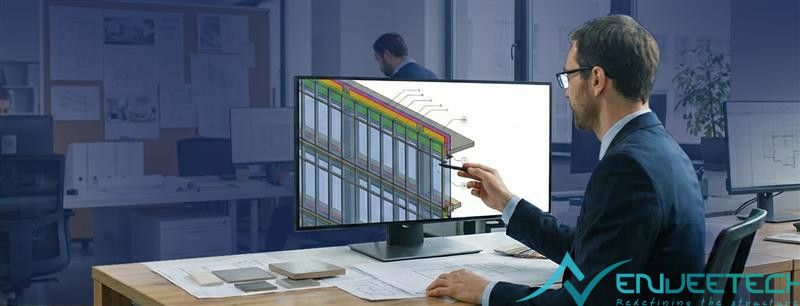
In recent years, façades have evolved into more than just the exterior appearance of a building and have become a crucial component of construction, contributing to the overall aesthetic, structural protection, energy efficiency, safety, and longevity of the building. Traditionally, façade designs were developed using 2D drawings, elevations, and sections. While these methods served their purpose in the past, they often left room for interpretation errors, coordination gaps, and costly on-site changes.
With the evolution of digital design technologies, 3D modelling of façades has become an essential component in planning for the smart and efficient construction of buildings. The 3D modelling process provides architects, engineers, developers, and contractors with the opportunity to visualize the entire façade system in a realistic digital environment before starting construction. This proactive approach reduces construction risk, provides control over construction costs, improves construction coordination, and produces buildings of a higher quality and better energy efficiency than traditional building methods.
In this blog, we explore in detail why 3D façade modeling is crucial for every building project.
Complete and Realistic Visualization of the Building Façade
One of the biggest benefits of 3D façade modelling is the ability to visualize the façade in its entirety before construction starts.
How this benefits stakeholders:
- A realistic visualisation of the building’s façade materials, finishes, and textures
- Accurate visualisation of the proportion and scale of the building
- The ability to quickly test alternative design options
- Increased confidence from clients and investors
This level of clarity ensures that design expectations match the final outcome, reducing dissatisfaction and last-minute changes.
Early Identification of Design Errors and Technical Conflicts
Construction can be costly and time-consuming when there are defects found in a design while construction is in progress.
3D modeling will help identify:
- Identifying clashes between facade components and structure
- Misalignment of cladding, glazing & panels
- Coordinating façade systems with MEP components
- Identify design inconsistencies at the earliest stages of the project’s life cycle
By resolving these issues digitally, projects avoid costly rework on-site.
Improved Collaboration and Communication Between Teams
Large construction projects involve multiple stakeholders.
3D façade modeling improves collaboration by:
- Providing a single accurate reference point for all parties involved
- Facilitating communication between architects, engineers, consultants, and contractors.
- Improving the clarity of complex 2D drawings, thus reducing confusion and improving the quality of work.
As a result of clear communication, teams can make faster and more accurate decisions to ensure a smooth workflow and avoid costly delays.
Accurate Quantity Take-Offs and Better Cost Control
The issue of construction budget overruns is a major concern to most construction firms and to their clients.
Utilization of the 3D models allows for:
- Accurate quantities of building materials
- Reduction in the waste of building materials
- Improved scheduling of material purchases
- Control of funds being expended in the course of the project.
Consequently, clarity of quantity estimates allows clients to make informed financial choices for buildings.
Faster Approvals and Reduced Design Revisions
Clients often struggle to visualize designs using only drawings.
3D modeling simplifies the approval process by providing:
- Good visibility of the design
- Making changes quickly in real time
- Limiting the number of back-and-forth conversations
- Providing a faster approval time for clients and authorities
This saves valuable time during the pre-construction phase.
Enhanced Energy Efficiency and Performance Analysis
Façade design directly affects a building’s energy performance.
3D façade modeling supports:
- Follow the sun’s path and develop shading analysis
- Evaluate the thermal performance of the building
- Optimize natural daylighting
- Select sustainable materials
This results in lower energy consumption by building facades while increasing occupant comfort.
Better Planning of Construction Sequence and Installation
Using a 3D model will allow contractors to better plan their construction methods.
Key advantages include
- Providing the contractor with a clear understanding of the plans.
- Minimizing mistakes in the field due to poor communication.
- Providing the contractor with additional opportunities for improving safety while developing the construction process.
- Allowing for better fabrication and assembly methods.
This creates a quicker construction timeline and will reduce disruptions to the surrounding community.
Enables Custom and Innovative Façade Design
Modern architecture often features intricate façade systems.
- 3D modeling supports:
- Curtain wall systems
- Parametric and free-form designs
- Custom cladding solutions
- High-performance façade assemblies
Such designs are difficult to execute accurately without advanced 3D modeling.
Lifecycle Benefits and Long-Term Maintenance
3D facade models continue to be valuable after the building is completed.
These models provide information on:
- Maintenance planning
- Facility management
- Future renovations
- Optimizing lifecycle costs
The models will help ensure the building operates efficiently and is in a fit-for-use condition for many years.
How Enveetech Supports 3D Façade Modeling
Enveetech helps architects, developers, and contractors create accurate and well-planned façade systems through professional 3D façade modeling and detailing services. Our goal is to ensure that façade designs are easy to understand, technically correct, and ready for construction.
Complete Façade Design Support
Enveetech provides complete façades from the design phase to construction-ready working plans. The services provided include:
- 3D façade modeling for clear visualization
- Façade shop drawings for on-site execution
- Fabrication drawings for accurate manufacturing
- Curtain wall and steel façade detailing
These services help reduce confusion and ensure smooth project execution.
Advanced Tools and Industry Standards
Enveetech uses industry-standard tools such as AutoCAD, Revit, Inventor, and other specialized modeling software to create detailed, intelligent 3D representations of façade systems. This enables seamless coordination with architectural, structural, and MEP models and accelerates decision-making across project teams.
Enveetech supports 3D façade modeling by combining technical expertise, accurate detailing, and clear visualization. Our services help reduce risks, control costs, and ensure façade designs are practical, buildable, and high-performing, making us a reliable partner for modern construction projects.


